EN



Advantage |
What it delivers for your project |
Three Greys, One Standard |
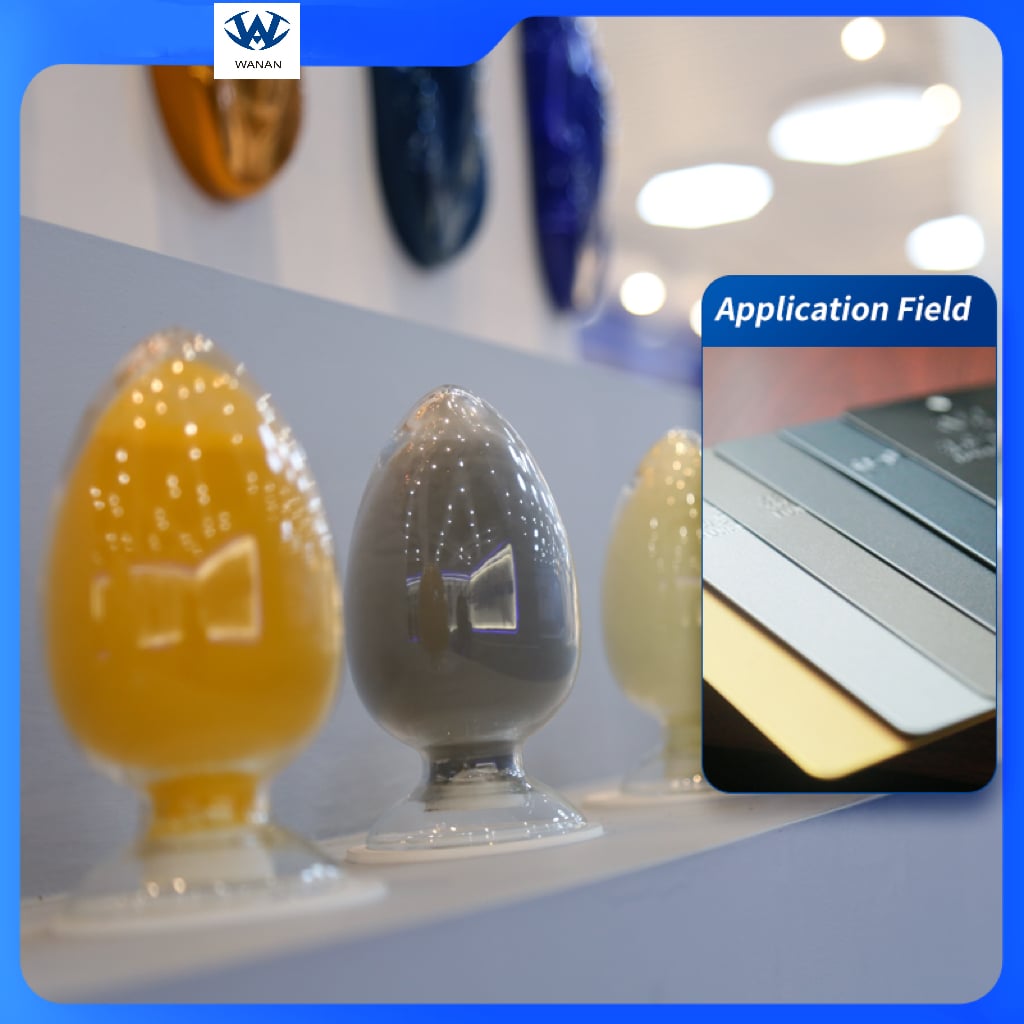
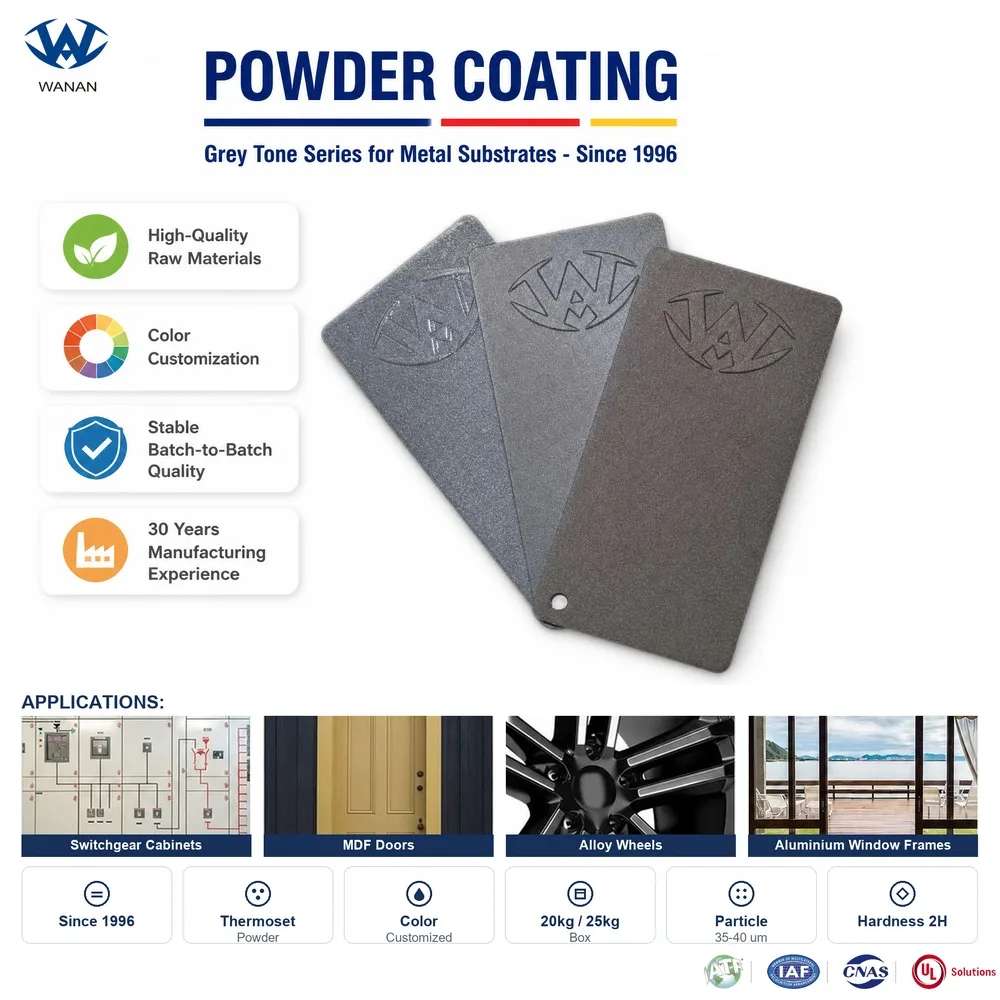
Light, mid and dark grey are produced to the same specification, so a cabinet programme can run all three without changing process settings or opening a second supplier file. The difference between the shades is pigment; the film underneath is identical. |
The Substrate Decides the Grey |
The same grey reads warmer on steel and cooler on aluminium, because substrate colour and surface profile show through a thin film. That is why the approval panel is coated on the substrate you actually use, not on a generic steel coupon - the most common grey dispute is two panels that were never the same substrate. |
35-40 um Particle, 2H Hardness |
Particle size of 35-40 um gives a controlled film with a fine texture, and pencil hardness of 2H to ISO 15184 holds up to handling during assembly. Impact of 50 kg.cm or more to GB/T 1732 keeps edges intact on cabinets and frames that are knocked during installation. |
Grey Does Not Forgive a Batch Drift |
Grey is the shade buyers compare most often, because every project already has a grey next to it - a wall, a door frame, a previous order. Every batch carries a lot number and is compared with the retained panel before shipment, so the cabinets delivered in September still sit next to the ones delivered in March. |
Six Bases Behind One Grey |
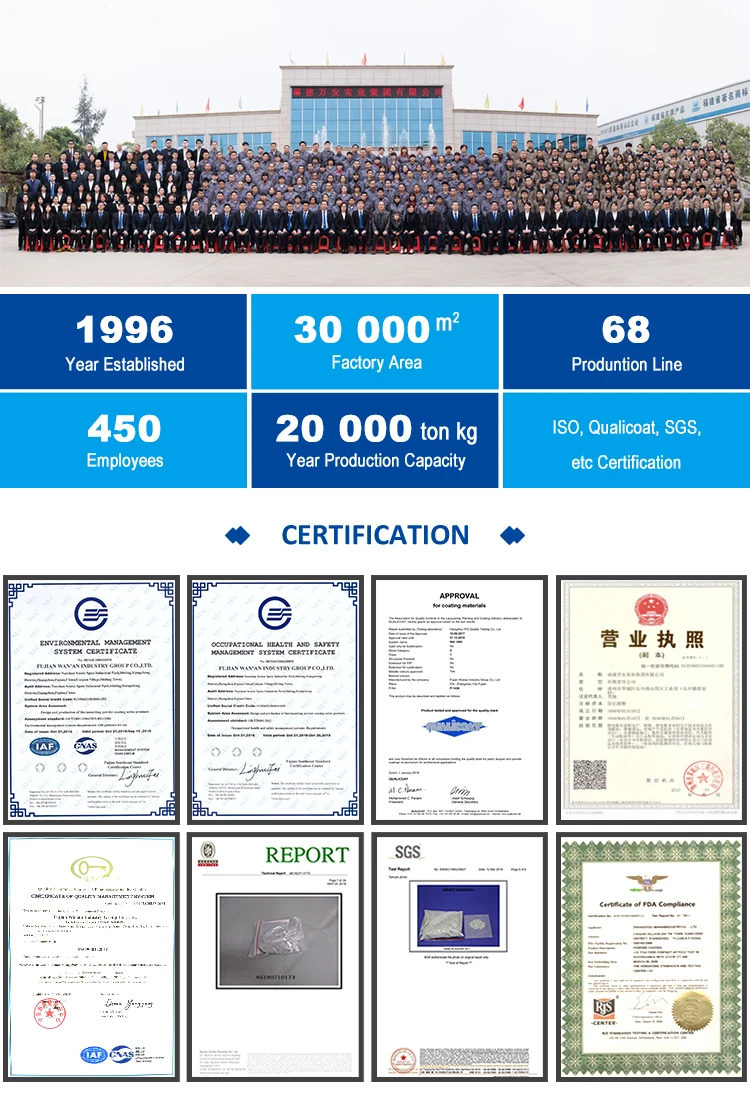
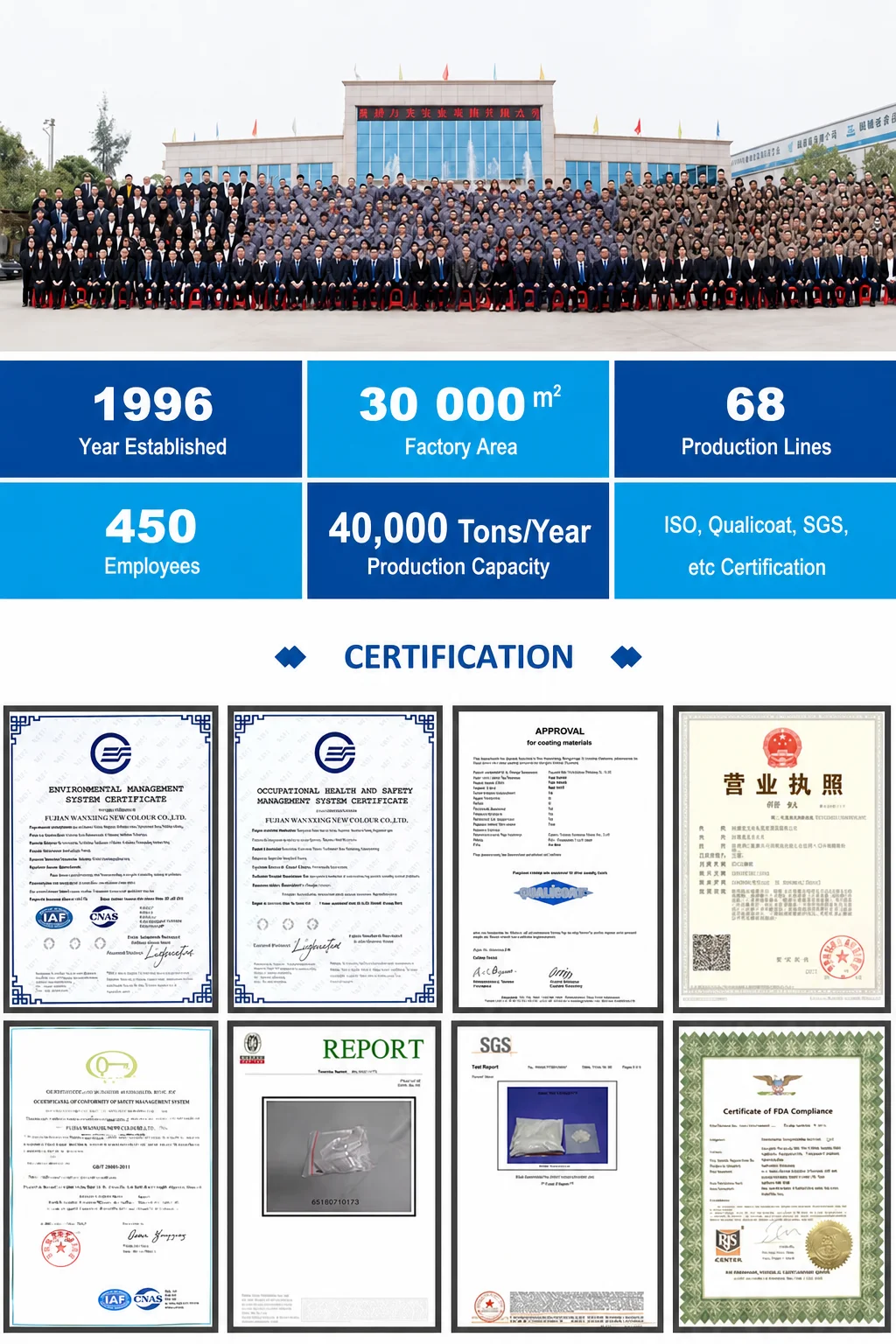
Powder produced since 1996 on six bases in Fujian, Guangdong, Zhejiang, Shandong, Henan and Cambodia, tested in a CNAS-accredited in-house laboratory, with ISO 9001, IATF, UL, QUALICOAT and IAF certification behind the batch. Grey is the highest-volume industrial shade, and that volume is why the supply has to be boringly reliable. |
Grey Tone Electrostatic Powder Coating for Metal Substrates, Matte Finish for Switchgear Cabinets Alloy Wheels
Grey tone powder coating for switchgear, MDF doors and window frames. 20kg or 25kg boxes, MOQ 200kg, 2H hardness. Visit www.wananpowder.com for the full range.
- Overview
- Recommended Products
About Product
Highlight

About Us

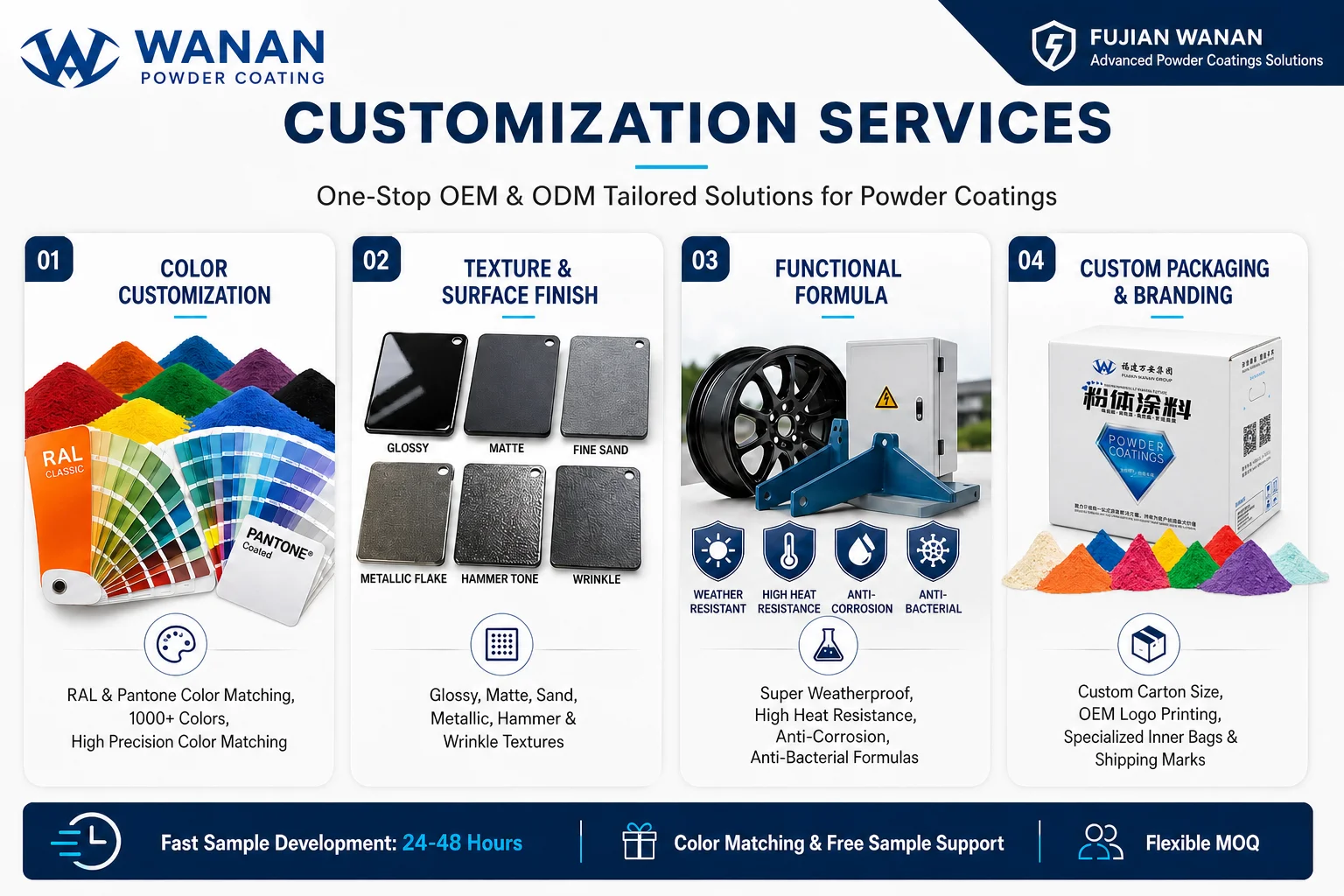
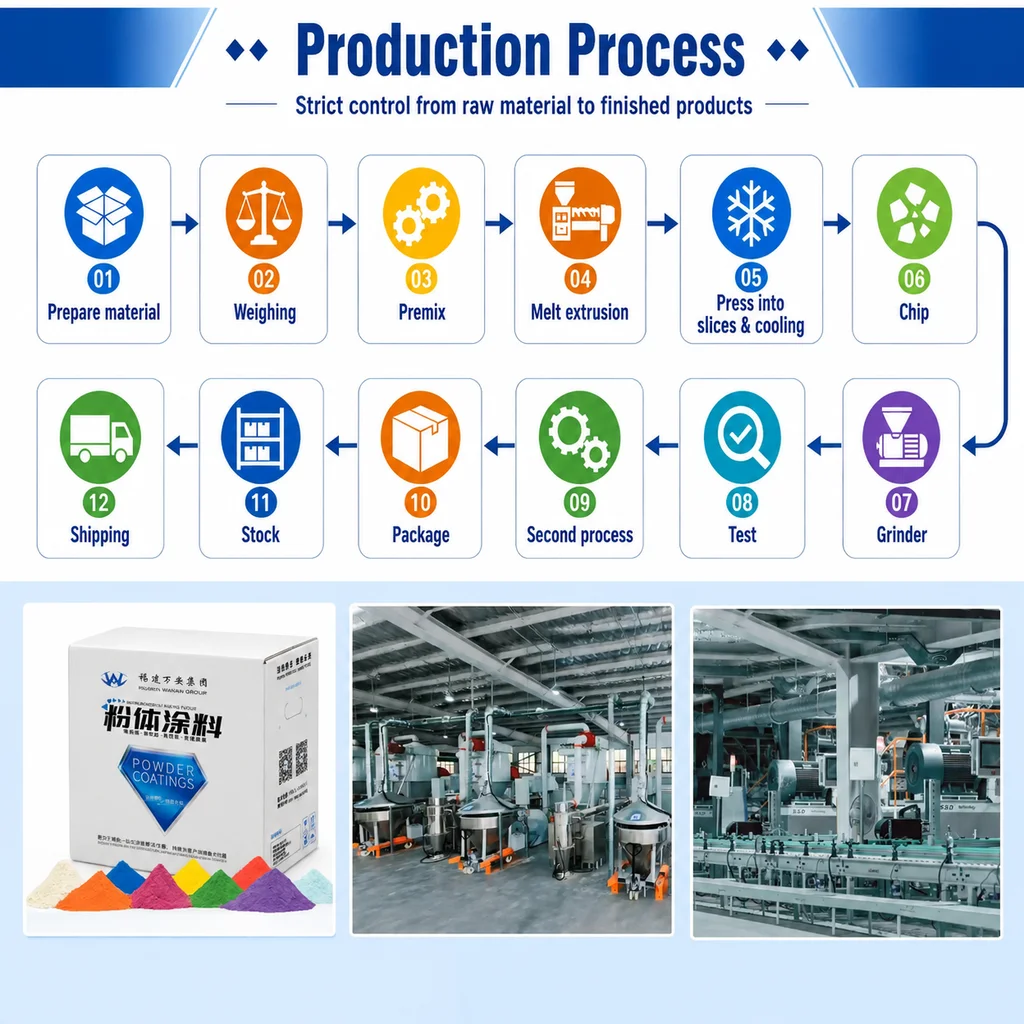

Service |
Details |
Matched on Your Substrate |
Send the part or a coated sample and we match on the same substrate at your production film thickness, then cure it on your line. A grey matched on aluminium and run on steel is the most common source of rejection in this shade. |
Retained Standard & Lot Records |
The approved panel stays on file; every batch is produced against it and ships with a lot number, so a reorder six months later is a production run rather than a new colour project. |
Test Reports With the Goods |
Salt spray, humidity, weather resistance, adhesion, hardness, impact and bending results travel with the shipment, ready for an audit or a tender submission. |
Trial Order From 200 kg |
200 kg minimum per shade, packed 20 kg or 25 kg per box with an inner liner on export pallets - enough to run a trial line and judge the grey under your own lighting. |
3-5 Day Delivery on Standard Shades |
Standard greys leave about 3-5 days after payment is confirmed, excluding Chinese public holidays; six production bases shorten the distance to your line. |
100% Response Rate |
Every inquiry is answered by a named contact rather than an auto-reply, including questions about substrate, gloss level and existing shade matching. |
FAQs
Question |
Answer |
Which applications is the grey tone series used for? |
Switchgear and control cabinets, MDF doors, alloy wheels and aluminium window frames. These are all surfaces where grey is compared against something already on site, so the shade has to match an existing reference rather than look good on its own. |
Why is grey harder to match than a dark colour? |
Grey sits in the middle of the lightness range, where the eye is most sensitive to small shifts in hue and gloss. A dark shade hides a half-step difference; a grey next to an existing grey does not. That is why we match to a physical sample at production film thickness rather than to a code. |
Will the same grey look identical on aluminium and steel? |
Not identical - close, but not identical. Substrate colour and surface profile both read through the film, and aluminium usually shows cooler than steel under the same light. Confirm the panel on the substrate you will actually run, and keep that substrate for every later batch. |
What does the 35-40 um particle size mean for my line? |
It describes the powder as delivered, not the cured film. A tighter particle range feeds more evenly through the gun and gives a more consistent texture, which is why the same setting produces a similar finish from one box to the next. Film thickness is still set on your line and must be confirmed at approval. |
What test data comes with this series? |
Salt spray 1000 h (GB/T 1771, creep under 2 mm), humidity 1000 h (GB/T 1740), weather 800 h (GB/T 1865), adhesion grade 0 (GB/T 9286), pencil hardness 2H (ISO 15184), impact 50 kg.cm (GB/T 1732), bending 2 mm (GB/T 6742), cupping 7 mm (GB/T 9753). |
Can the same grey be used on MDF doors? |
The colour can, but the cure schedule is the deciding factor, because MDF is heat sensitive. Tell us the board thickness and the temperature your oven holds, and we will confirm whether this grade fits or a different system is needed before you plan the order. |
What are the MOQ and packing? |
200 kg per shade, packed 20 kg or 25 kg per box with an inner liner, palletized for export. Neutral or OEM labels are available for distributors. |
What certifications back the product? |
ISO 9001, IATF, UL, QUALICOAT and IAF, with a CNAS-accredited in-house laboratory. The company also took the lead in drafting HG/T 2006-2022, the industry standard for thermosetting powder coatings. |
Grey Powder Coating for Switchgear, Window Frames and Wheels
Grey is the default industrial colour, which is exactly why it is the hardest one to supply: nobody orders grey in isolation, they order a grey that has to sit next to a wall, a door frame or last year's cabinets. This grey powder coating comes in light, mid and dark shades, produced to one specification, in 20 kg or 25 kg boxes with a 200 kg minimum per shade. It is used on switchgear cabinets, MDF doors, alloy wheels and aluminium window frames, with 35-40 um particle size and a pencil hardness of 2H.
Why Grey Is the Hardest Colour to Match
Grey sits in the middle of the lightness range, where the eye is most sensitive to small shifts in hue and gloss. A dark shade hides a half-step difference; a grey placed next to another grey shows it immediately. Two things make a grey powder coating drift: the pigment lot in the powder, and the substrate underneath the film. The first is controlled by a retained panel and a lot number. The second is controlled by approving the panel on the substrate you actually run, because the same grey reads warmer on steel and cooler on aluminium under identical light.
Four Surfaces, Four Ways a Grey Fails
Switchgear cabinets are inspected side by side in a plant room, so the failure is a mismatch between two cabinets rather than a bad single panel. MDF doors are heat sensitive, which means the cure schedule decides whether any powder system can be used at all - that has to be confirmed before the order. Alloy wheels take stone chips and brake dust, where impact of 50 kg.cm and hardness of 2H decide whether the film opens at the rim edge. Aluminium window frames face rain, UV and cleaning agents, and they are the surface closest to the occupant, so a grey that shifts between batches is noticed daily. One grey powder coating, four different ways to fail.
What the Numbers Cover
Salt spray 1000 hours to GB/T 1771 with corrosion creep under 2 mm. Heat and humidity 1000 hours to GB/T 1740, weather resistance 800 hours to GB/T 1865, adhesion grade 0 to GB/T 9286, pencil hardness 2H to ISO 15184, impact 50 kg.cm or more to GB/T 1732, bending 2 mm or less to GB/T 6742. The 35-40 um figure describes the powder as delivered, not the cured film: a narrow particle range feeds more evenly and gives a more repeatable texture, while the film thickness itself is set on your line and confirmed at approval.
Before It Ships
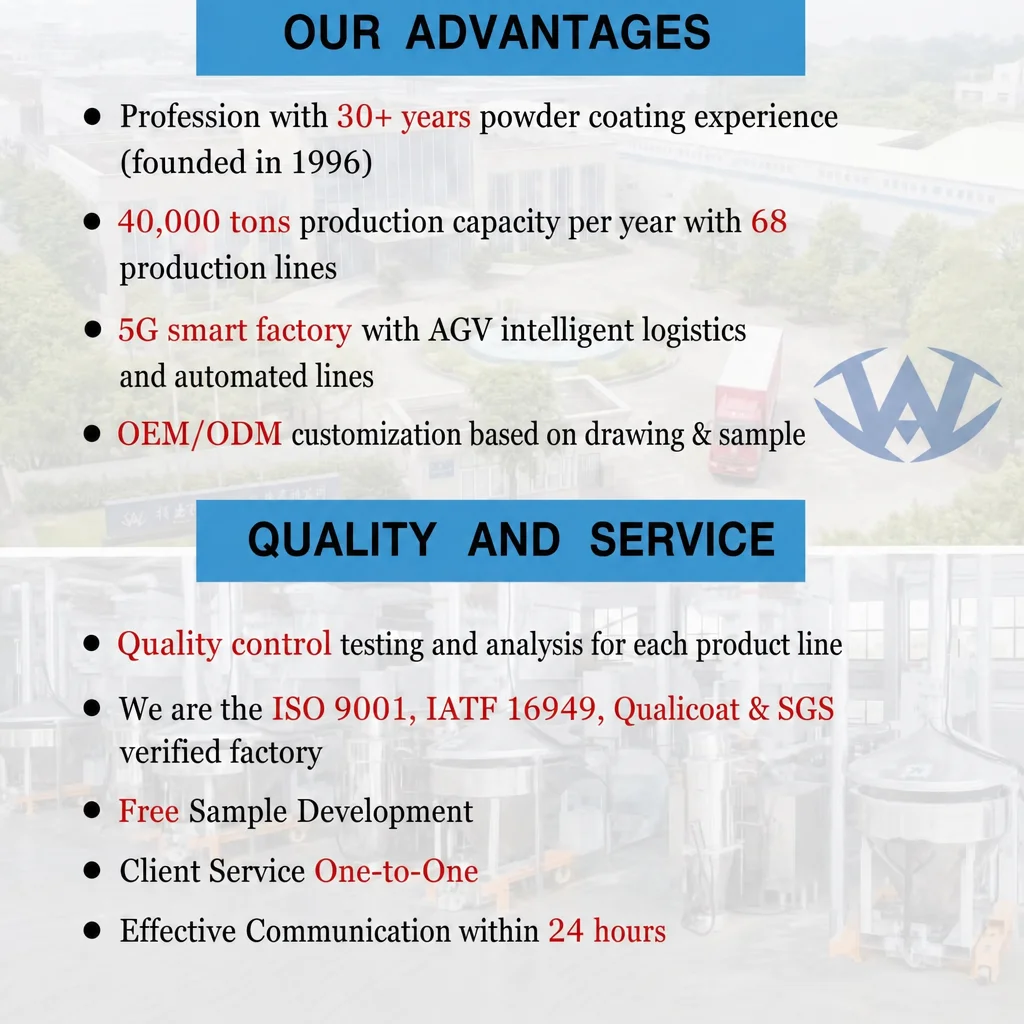
The approval panel is coated on your substrate at your production film thickness and cured on your line, then retained as the standard. Every batch of grey powder coating carries a lot number and is compared with that panel before shipment. Standard shades leave about 3-5 days after payment is confirmed, packed 20 kg or 25 kg per box with an inner liner on export pallets, and each inquiry is answered by a named contact rather than an auto-reply.
Where the Powder Comes From
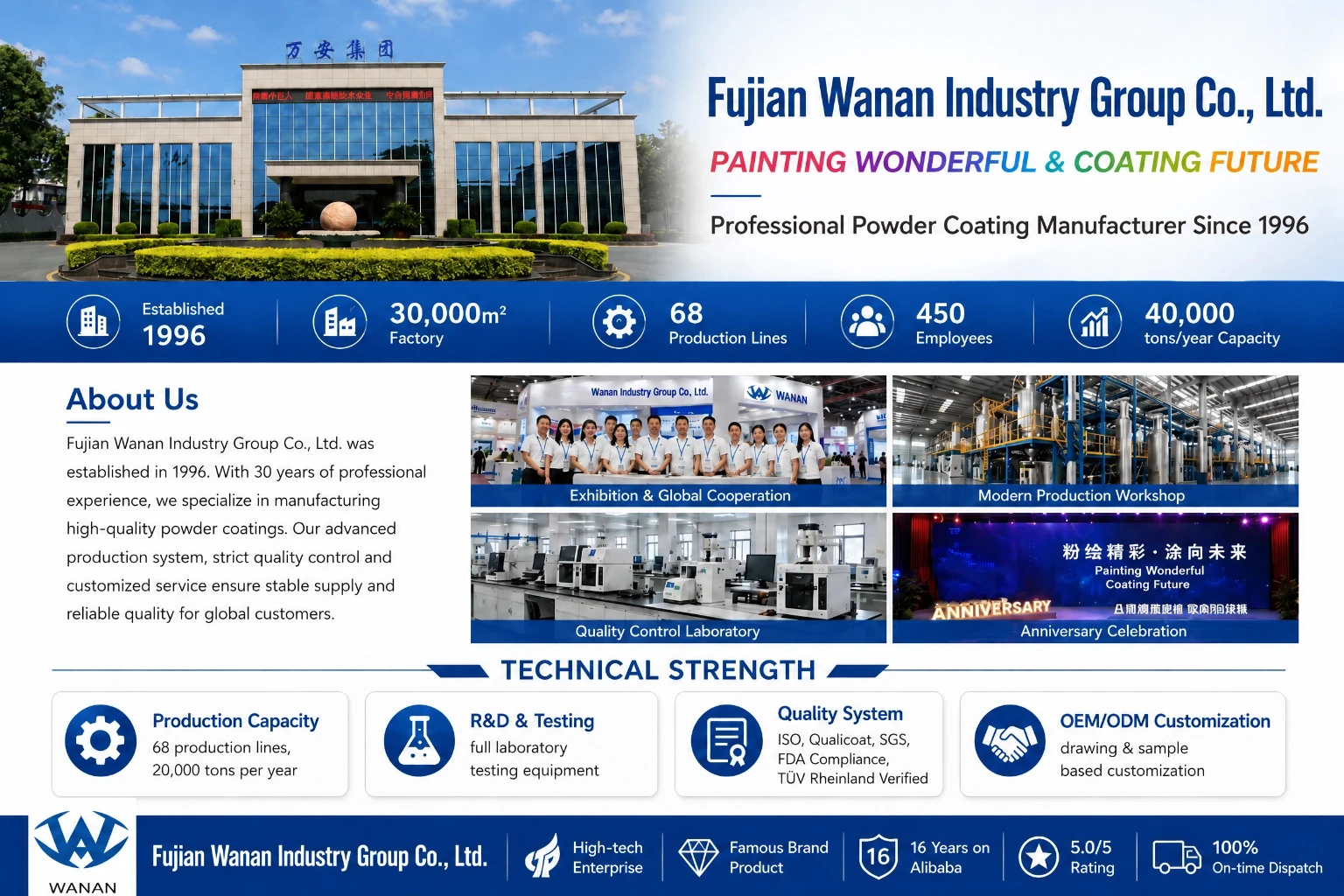
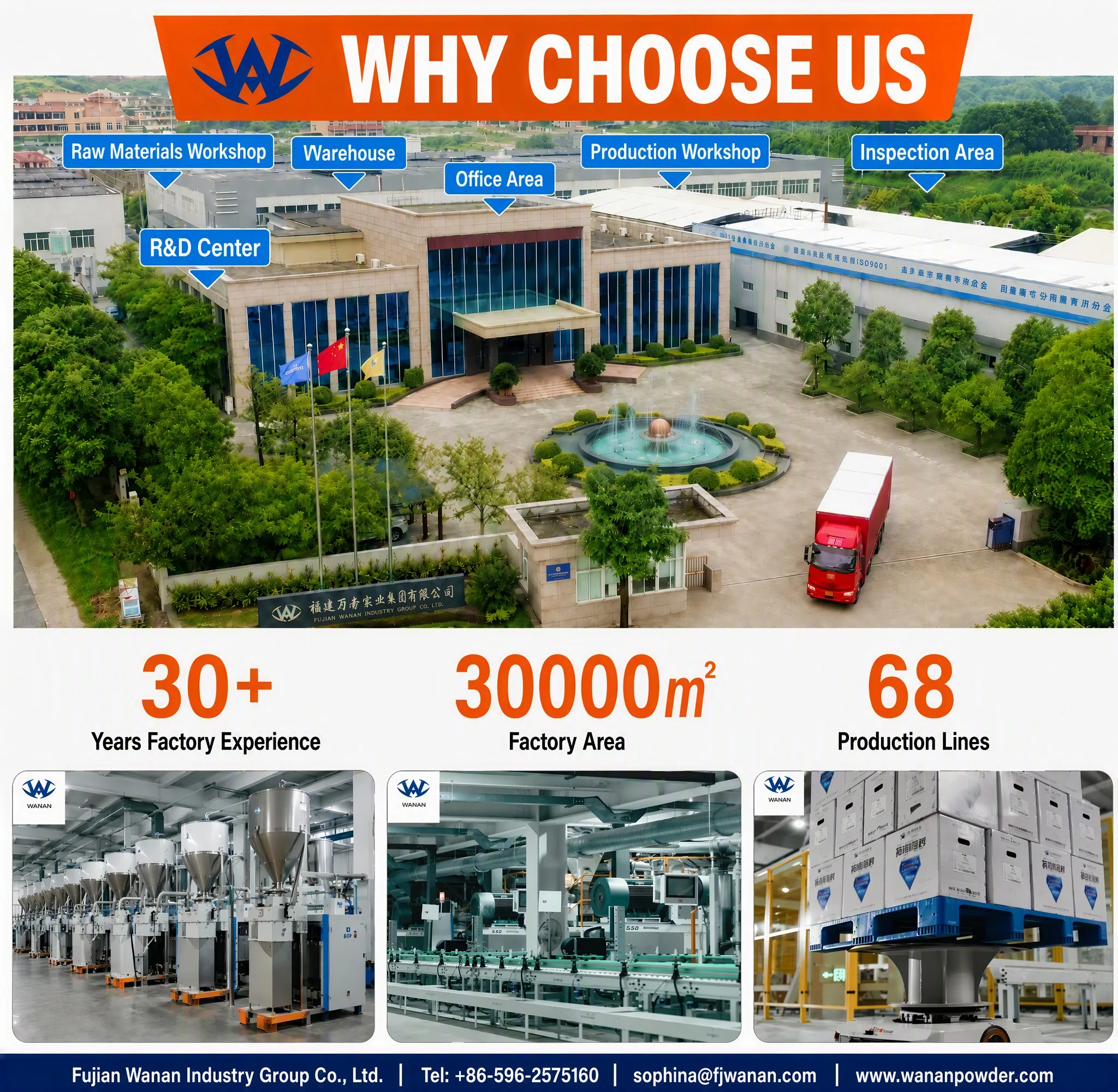
Wanan has manufactured thermosetting powder coatings since 1996, with production bases in Fujian, Guangdong, Zhejiang, Shandong, Henan and Cambodia, a CNAS-accredited in-house testing centre, and ISO 9001, IATF, UL, QUALICOAT and IAF certification. The company took the lead in drafting HG/T 2006-2022, the Chinese industry standard for thermosetting powder coatings. Grey is the highest-volume shade in industrial coating, and six bases exist for one reason: a reorder of the same grey should arrive on time from the same standard, wherever your plant is.
What It Saves You
Rejection is the first cost. A grey cabinet that does not match the one installed last year is useless on site, and it cannot be touched up invisibly, so it is stripped and recoated. Sorting is the second: a lot number on every box turns a shade complaint into a comparison with one retained panel instead of a debate about whose sample is correct. Rework is the third, and it happens earlier than most buyers expect - a grey matched on the wrong substrate costs a full line trial to discover. Add the test reports that ship with each order and an audit no longer needs a separate document request. That is the case for one retained panel on every order of grey powder coating.
How to Start
Send the sample you need to match, the substrate and the film thickness you run. We return a panel coated to that specification, the test data for the grade, certificate copies and a quotation you can compare line by line. If you would rather see the range first, the full grey series is on www.wananpowder.com - and a 200 kg trial of grey powder coating is still the cheapest way to judge the film in your own oven.