EN



Advantage |
What it delivers for your project |
Strong Adhesion |
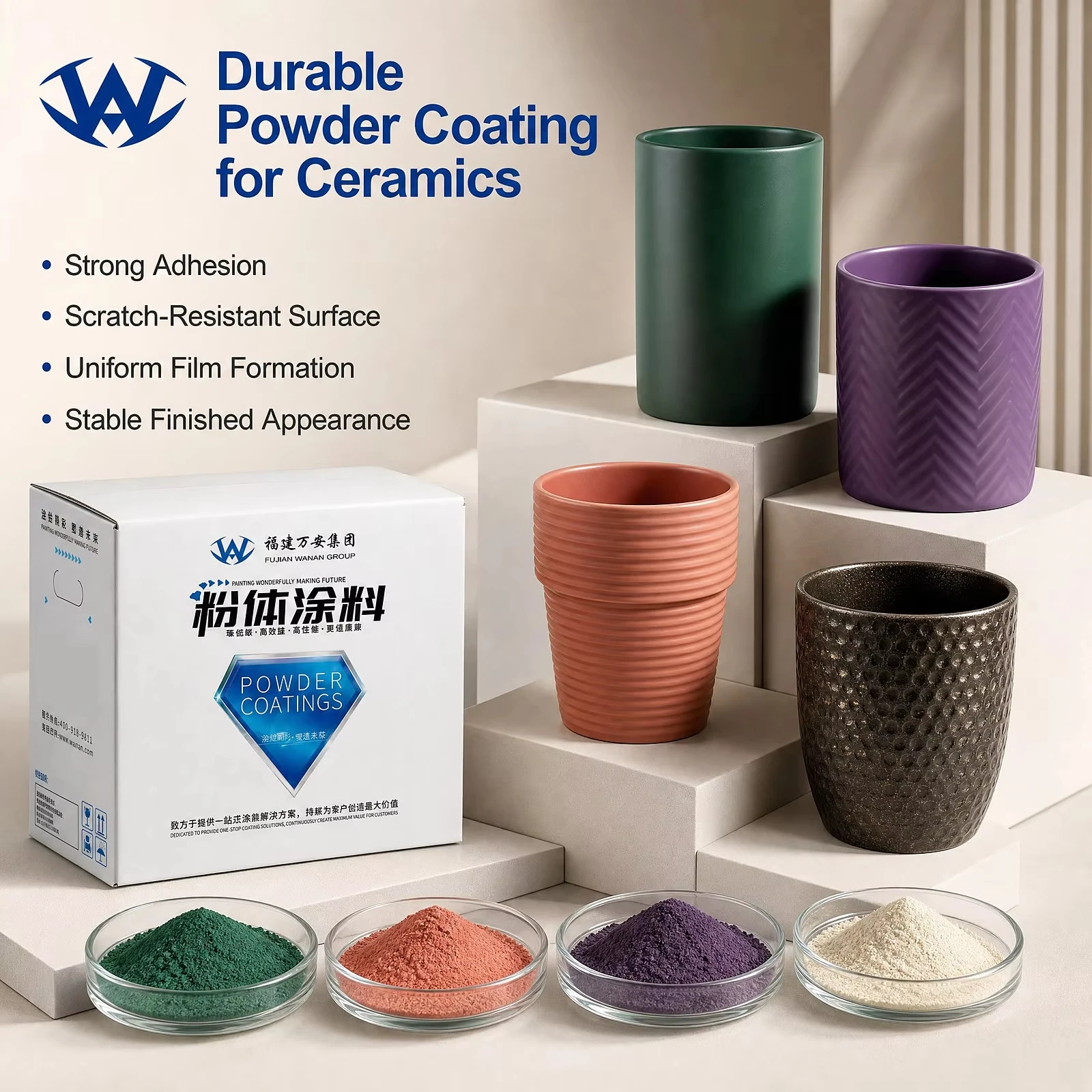
The film bonds firmly to the ceramic body, so the surface holds at the rim and the base through stacking, packing and transport instead of chipping where it is handled most. |
Scratch-Resistant Surface |
A hard film that keeps its colour where pieces rub against each other in storage, in the shop and in daily use. |
Uniform Film Formation |
The film flows out evenly, without orange peel or seed, so colour reads the same on a cup wall, a pot curve and every piece in a matched set. |
Stable Finished Appearance |
Colour and surface hold through high-temperature processing, so the appearance you approve on the sample is the appearance that comes off the line, batch after batch. |
Custom Color, Gloss & Texture |
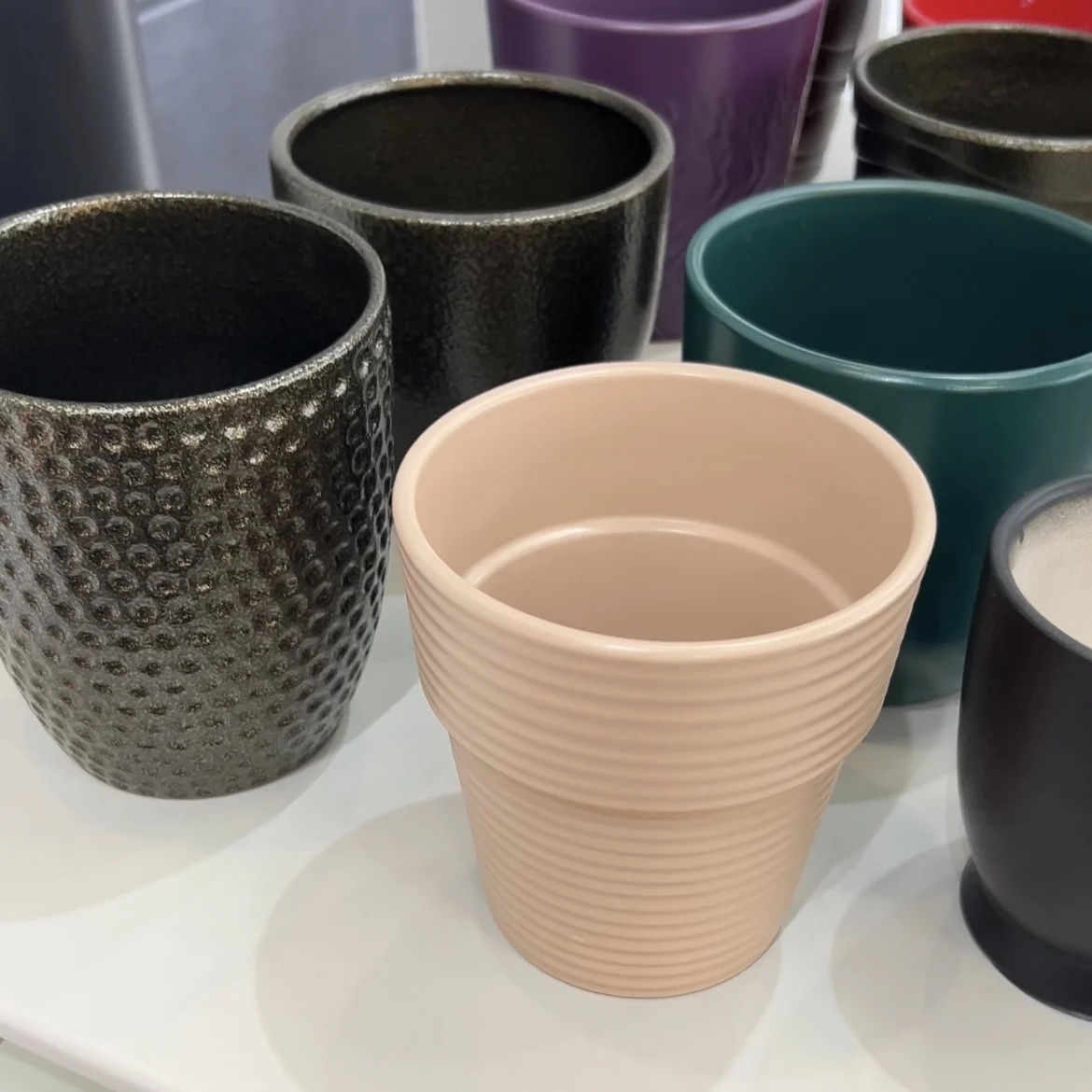
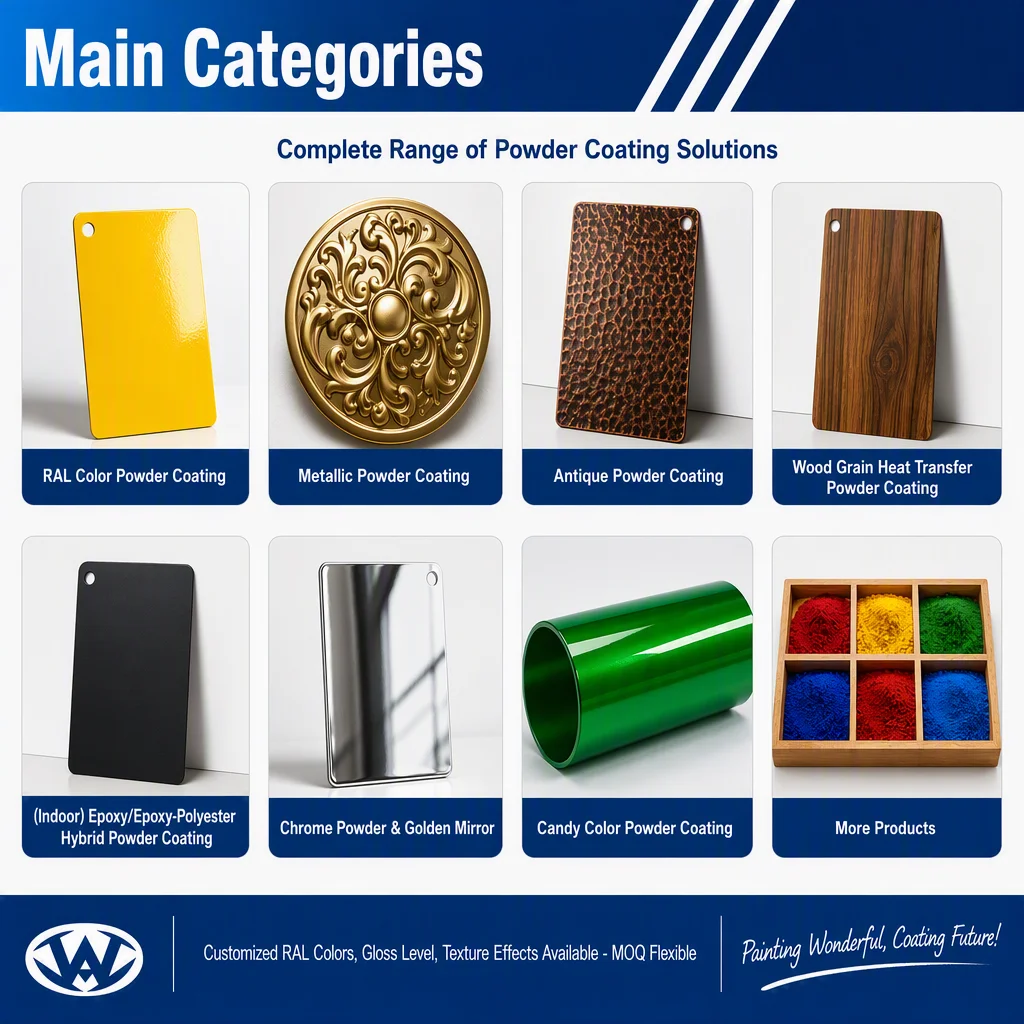
Gloss or matte, plus decorative texture effects such as sand grain, metallic and pattern, matched to your existing finish, your colour code or a physical sample. |
Ceramic Powder Coating - Uniform Film for Cups and Pots
Strong adhesion, scratch-resistant film and uniform coverage for ceramic cups, pots and crafts, in gloss or matte. Custom colors, MOQ 200kg per shade.
- Overview
- Recommended Products
About Product
Highlight
About Us


Service |
Details |
Colour and Effect Matching |
Send a fired sample, a colour code, or a photo set with a physical reference. A large reference sample library supports fast matching, and standard colour cards control variation between batches. |
Gloss and Matte Options |
The same range covers gloss, matte and textured effects, so one supplier can serve a bright gift line and a stone-look decor line without changing colour systems. |
Trial on Your Own Body |
Samples are available on request with freight paid by the buyer, so colour and surface can be judged on your body, your thickness and your firing curve. |
Batch Consistency and Traceability |
Each batch is produced against the approved standard with lot records, and repeat orders are compared with the retained sample before shipment. |
Export Packing and OEM Labeling |
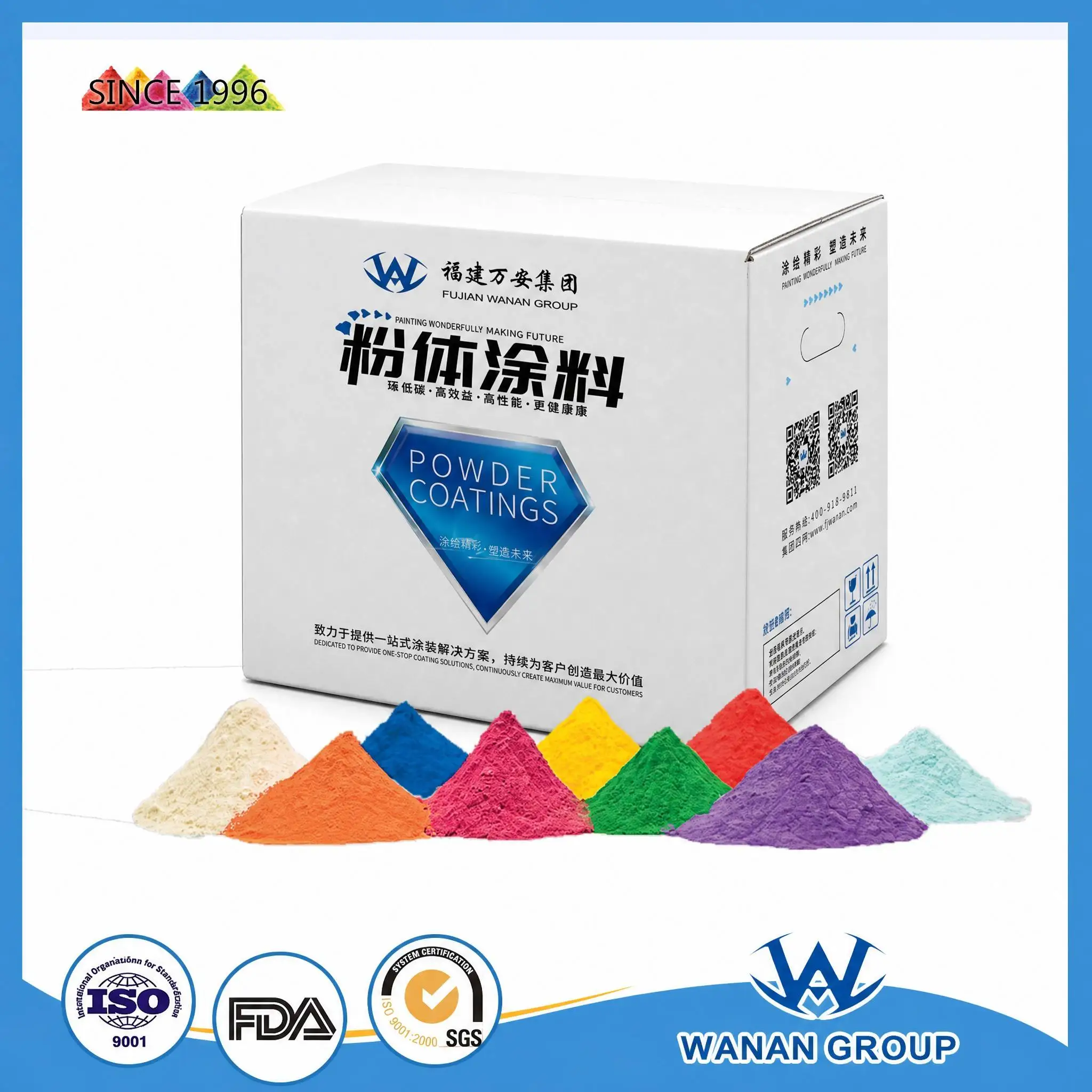
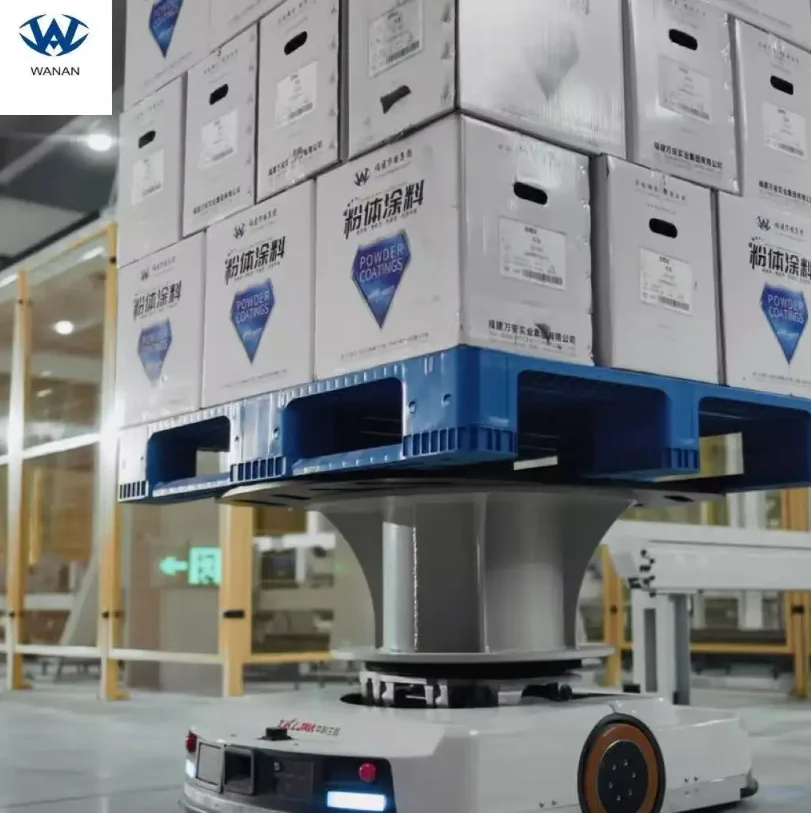
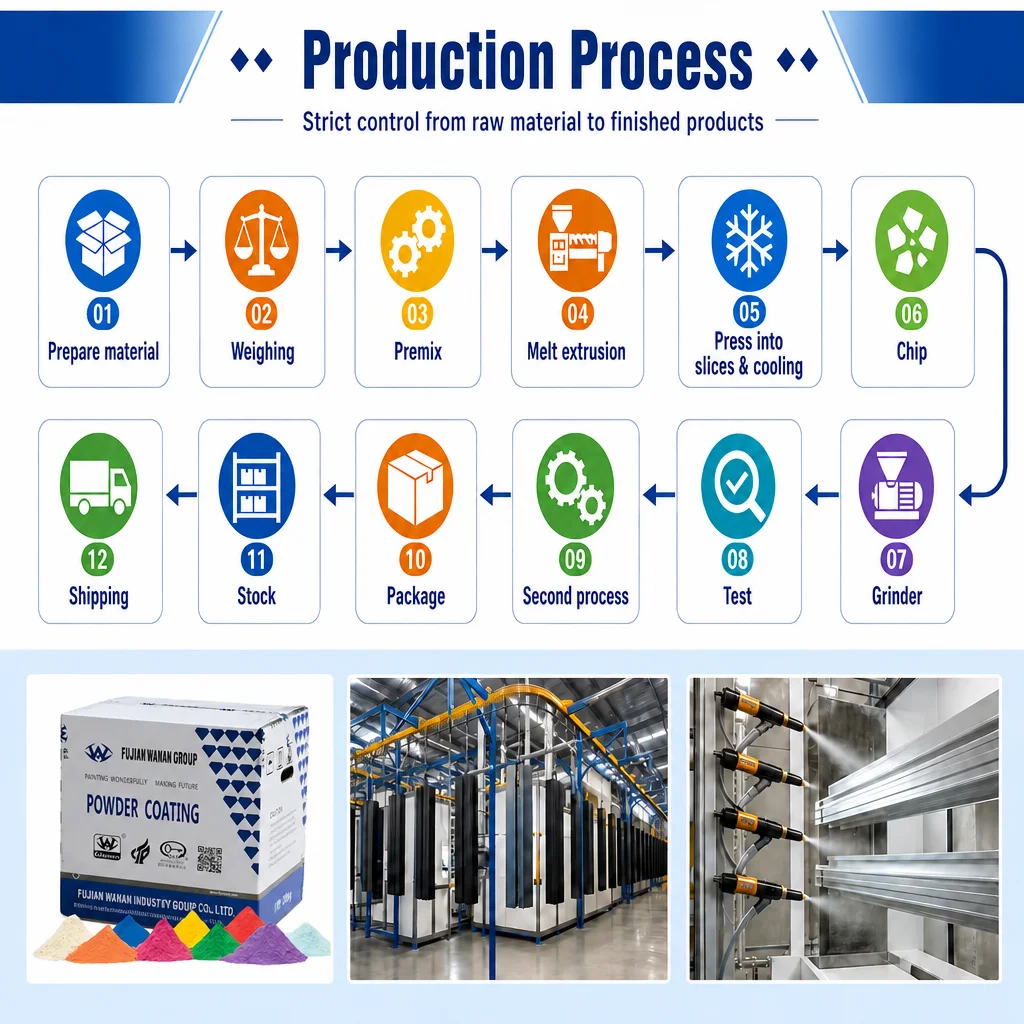
Each box holds 20 kg or 25 kg with an inner liner and is palletized for export; neutral or OEM labeling is available for distributors. |
100% Response, 3-5 Day Delivery |
Every inquiry is answered by a named contact. Standard grades ship about 3-5 days after payment is confirmed, excluding Chinese public holidays. |
FAQs
Question |
Answer |
Which ceramic pieces is this grade used on? |
Cups, mugs, pots, planters, vases, crafts and decorative ware. It suits pieces where a smooth surface and colour consistency decide how the product is judged. |
How do you keep colour stable through our firing process? |
By confirming the grade against your curve rather than against a generic temperature. Tell us heating rate, dwell and cooling, and we test the finish through that sequence; the approved fired piece then becomes the reference for every batch. |
Can you match a colour we already sell? |
Yes. A fired sample is the most reliable reference; a colour code or a photo with a physical reference works as a starting point. Deep reds, greens and metallic browns shift most under different lighting. |
Do you offer both gloss and matte? |
Yes, from the same range. Gloss reflects light and shows body imperfections; matte softens variation and reads closer to stone or unglazed clay. We recommend choosing the gloss level together with the body you use. |
Is it suitable for food-contact ceramics? |
Compliance depends on the grade and on your destination market standard. Tell us the market and the requirement you work to, and we confirm the grade and documents before you order. |
What are the MOQ and packing? |
MOQ is 200 kg per shade. Standard packing is 20 kg or 25 kg per box with an inner liner, palletized for export; neutral or OEM labels are available. |
Can we test before ordering, and how long is delivery? |
Samples are available on request with freight paid by the buyer. Standard grades then ship about 3-5 days after payment is confirmed, excluding Chinese public holidays; custom colours start after sample approval. |
Which certificates do you hold? |
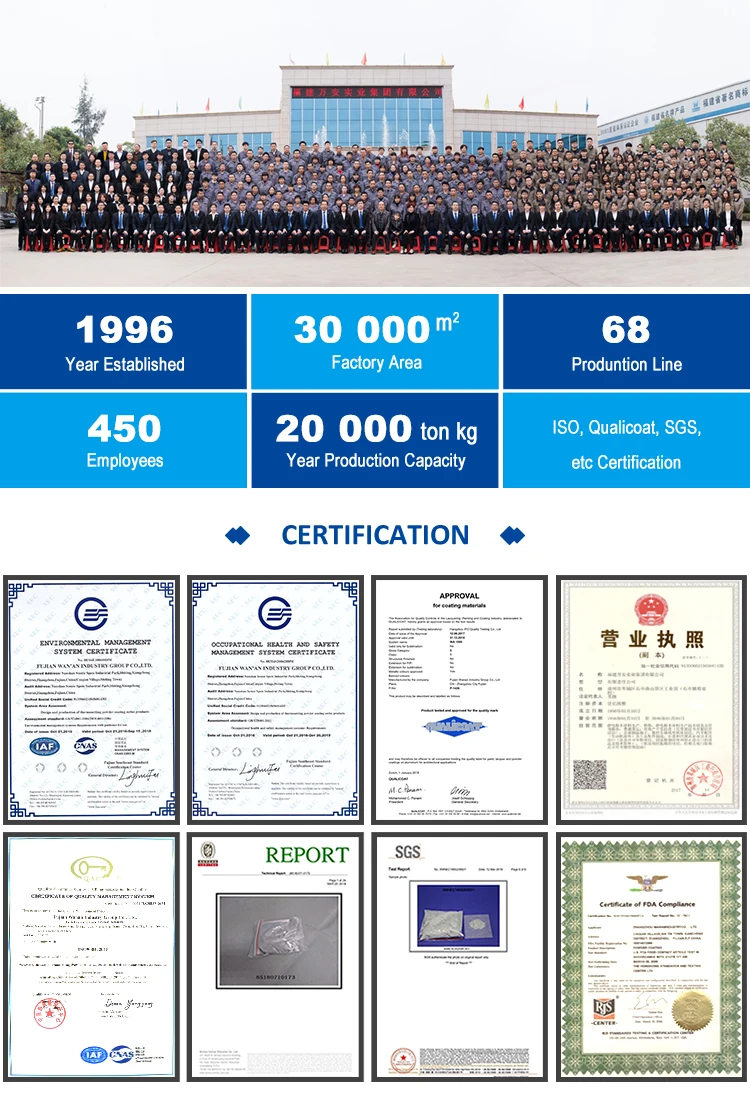
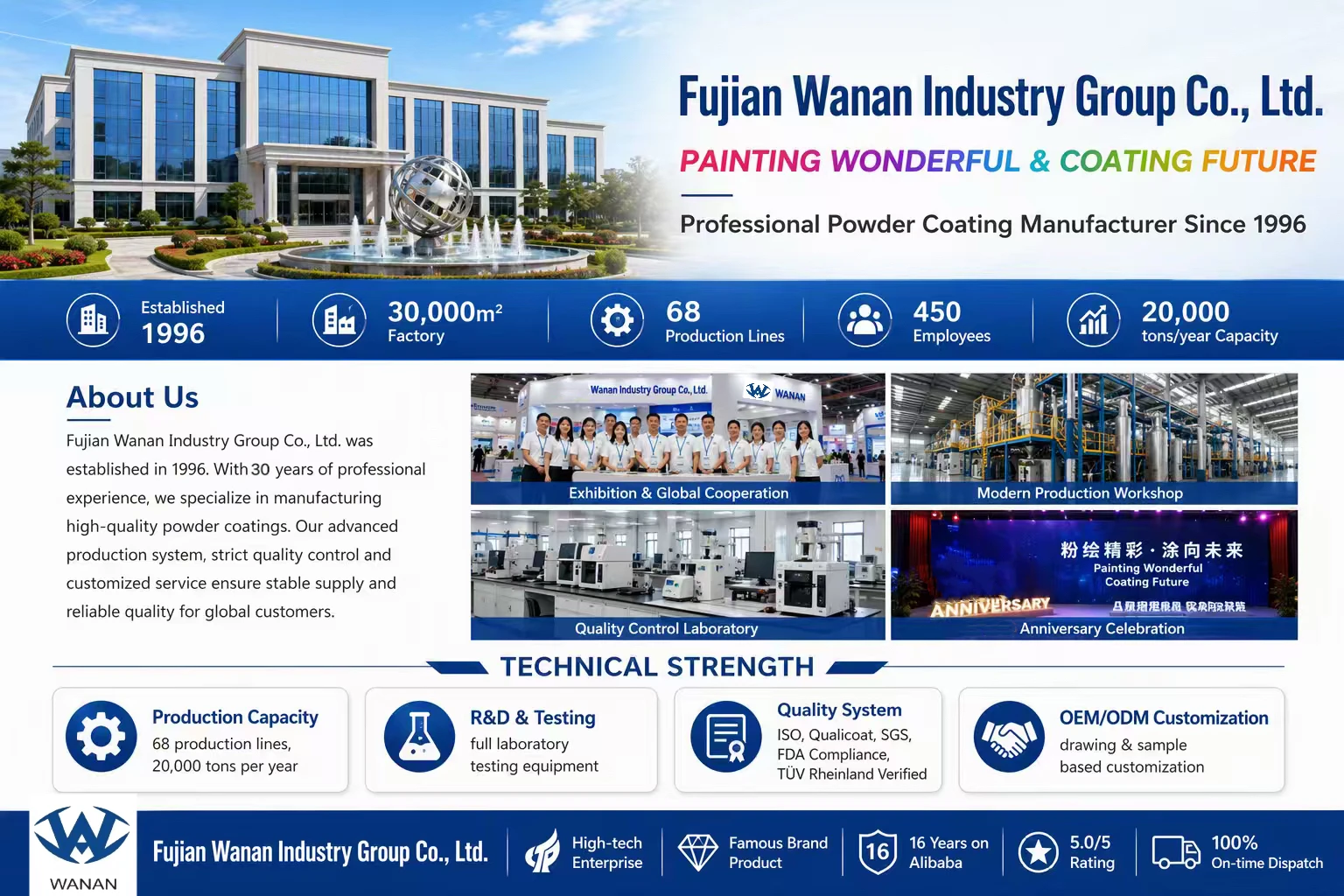
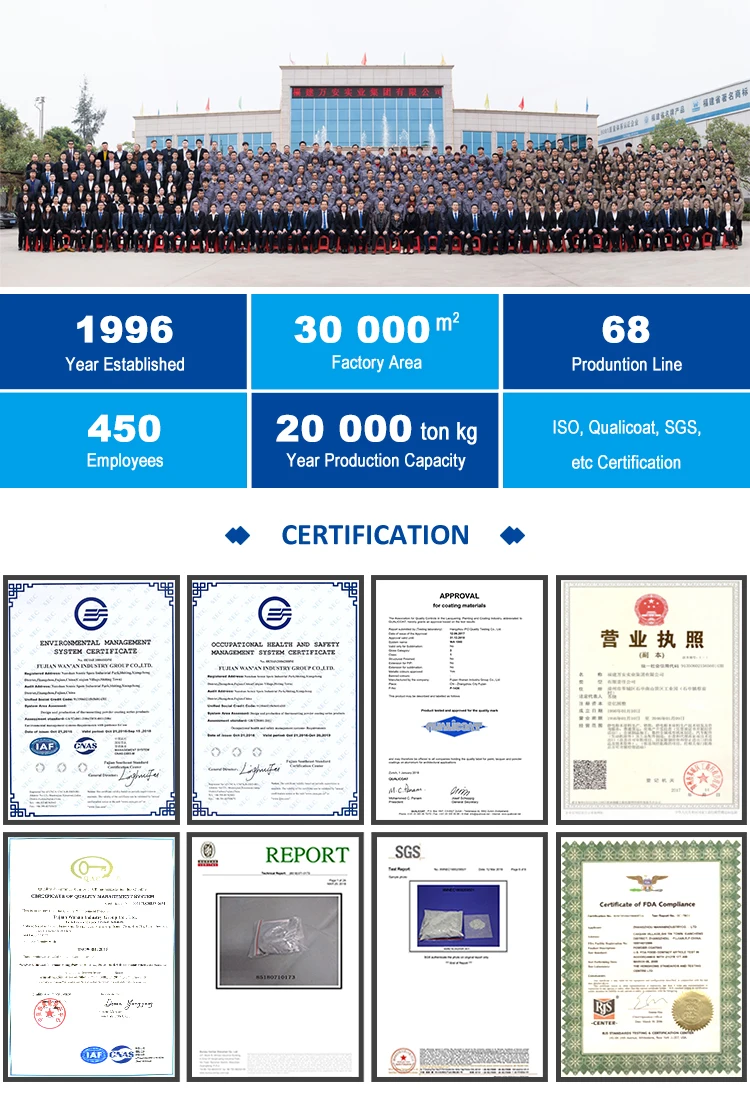
ISO 9001, IATF, UL and QUALICOAT, with an in-house testing centre accredited by CNAS. Market-specific documents are confirmed per grade. |
Powder Coating for Ceramics: Why the Film Decides the Result
Powder coating for ceramics is usually compared on colour, but colour is the last thing to go wrong. The film goes first: a surface that cures slightly uneven, a rim that chips in packing, a shade that moves during firing. Buyers who select powder coating for ceramics on shade alone tend to discover the rest after the container has been loaded, when the only options left are sorting, discounting or reworking a batch that has already cost full price to produce. Powder coating for ceramics is therefore a film decision before it is a colour decision.
Why the Film Has to Be Smooth
A cup is read at arm's length, and at that distance a film either looks like a finish or looks like a coating. Orange peel and seed show up immediately on a curved wall, and no amount of colour accuracy rescues them. Smoothness is the first thing a buyer of powder coating for ceramics pays for, and the first thing they notice when it is missing. A smooth, uniform film also makes the colour decision cheaper: when the surface is even, a single approved sample can stand for a whole set, and the buyer stops having to inspect piece by piece. That is the practical argument for specifying powder coating for ceramics on film quality first and shade second, not the other way round. It is also why specifiers judge powder coating for ceramics on a cured cup rather than on a brochure.
Proving Stability Through the Process
Every ceramic line has its own thermal history, and a finish that survives one curve can shift on another. The only reliable test is a piece that has been through your process and then compared with the approved sample. Ask for that, not for a temperature range: a supplier who quotes a maximum temperature is describing a laboratory condition, while a supplier who asks for your heating rate, dwell and cooling is describing your production. Powder coating for ceramics earns its place at the trial stage, not on the data sheet, and a grade tested only on a flat panel proves very little about a curved wall.
Where It Is Used
Cups and mugs put the surface closest to the buyer's hand, so uniformity matters most there. Pots and planters expose large curved areas where a patchy film is obvious from a metre away. Vases, crafts and decorative ware can carry texture as design, which also hides minor body variation that a gloss finish would advertise. Across these three, powder coating for ceramics is doing the same job twice: protecting the body and setting the price the piece can ask. Every one of those products is a small billboard for the same powder coating for ceramics.
What an Uneven Film Costs
An uneven film is rarely rejected at the coating stage; it is rejected at the shelf. Sorting a batch by appearance costs labour, discounting it costs margin, and reworking it costs both plus the time. Powder coating for ceramics that arrives with a consistent surface removes that decision entirely. The arithmetic is simple: the price gap between a good and a mediocre powder coating for ceramics is measured in kilos, while the cost of sorting a container is measured in days. Buyers who have sorted one batch tend to specify powder coating for ceramics on film consistency permanently afterwards. That is the cheapest quality control in powder coating for ceramics.
Gloss, Matte and Texture
Gloss tells the truth about a body; matte gives the body some room. That single sentence explains most finish decisions in this category. Texture goes a step further: sand grain, metallic and pattern effects add depth and absorb small marks, which is why they appear on decor lines rather than on tableware. Because gloss level changes how defects read, powder coating for ceramics should be chosen together with the body it will cover, not before the body is fixed. On a matte powder coating for ceramics a small mark disappears; on gloss it stays visible.
Colour Matching That Survives Firing
Match against something physical. A code or a photograph is a starting point; a fired piece is the reference, because that is the state in which your customer will see the product. Deep reds, greens and metallic browns drift most between a thin and a heavy coat, and texture makes the difference more visible because grain and colour are read together. A shade card cannot travel; a powder coating for ceramics reference piece can. A supplier with a large reference sample library can move quickly, and standard colour cards stop the tenth order drifting away from the first. For powder coating for ceramics, that routine is worth more than any single shade on the card, because colour is one line of the specification rather than the whole document.
Supplier Checks Before the First Order
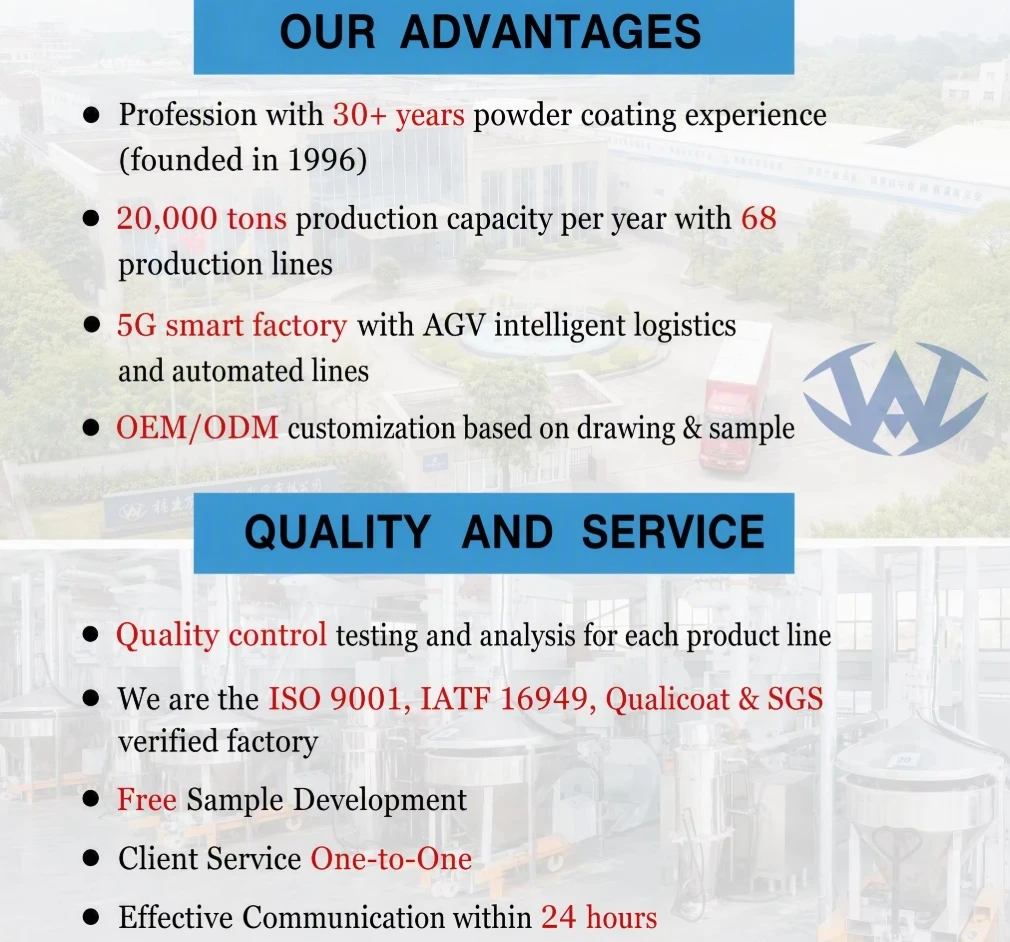
Run a trial on your own body and your own curve, then handle the result the way your warehouse will. Four checks settle most of the risk: colour after processing, film uniformity at your thickness, adhesion at rim and base, and surface appearance after packing. A named contact matters as much as the film when you buy powder coating for ceramics repeatedly. Ask for retained samples and lot numbers, because a repeatable powder coating for ceramics depends on a reference that is kept, not remembered. Wanan has produced thermosetting powder coatings since 1996, with production bases in Fujian, Guangdong, Zhejiang, Shandong, Henan and Cambodia, an in-house testing centre accredited by CNAS, and ISO 9001, IATF, UL and QUALICOAT certification. Send your body type, colour target and process curve, and we will return a matched sample and a quotation you can compare line by line.